
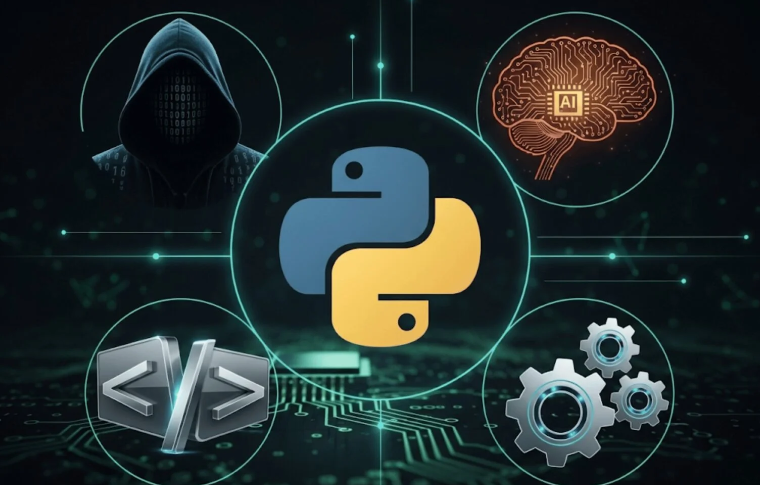
Py Techs is a term that may refer to Python technology, Python-based development, or a technology business or platform using the name Py Tech. From web development and automation to artificial intelligence and cybersecurity, Python technology continues to play an important role in modern computing.
Whether you are a student exploring programming, a beginner planning an IT career, or a business owner interested in digital solutions, understanding Python technology can help you identify new opportunities. This guide explains the meaning of Py Tech in a programming context, its common applications, essential skills, career paths, and future potential.
What Is Py Tech?
When used informally, Py Tech can describe technology built with Python or solutions that rely on the Python programming language. However, Py Techs may also be the name of a specific company, product, or service. Its exact meaning depends on the context in which the term appears.
Developers use it to create applications, automate repetitive work, process information, and build intelligent systems.
Python’s extensive library ecosystem allows programmers to develop projects without writing every component from scratch.
also read: nail tech license
Key Features of Python Technology
1. Simple and Readable Syntax
Python uses straightforward Py Techs syntax that often resembles everyday English more closely than many other programming languages. Beginners can focus on programming concepts instead of spending excessive time learning complicated syntax.
print("Hello, World!")
2. Extensive Libraries and Frameworks
Python offers thousands of Py Techs libraries and frameworks that help developers solve common problems efficiently.
Popular examples include Django and Flask for web development, Pandas for data analysis, NumPy for numerical computing, and PyTorch for machine learning.
3. Cross-Platform Compatibility
Python applications can run on operating systems such as Windows, Linux, and macOS, provided the necessary interpreter, dependencies, Py Techs and compatible environment are available.
This flexibility is particularly useful for developers working across multiple operating systems.
4. Automation Capabilities
Python can automate repetitive activities, Py Techs including file management, data processing, report generation, and selected administrative tasks. Automation can reduce manual effort and improve consistency when programs are designed and tested properly.
Common Applications of Py Tech
Python technology supports many areas of the modern digital economy.
Web Development
Developers use Python frameworks such as Django and Flask to create websites, APIs, dashboards, and web applications. These frameworks provide reusable Py Techs components for handling requests, managing data, and organizing application logic.
Python can also support the backend of websites that use HTML, CSS, and JavaScript for their user interfaces.
Data Science and Analytics
Businesses generate large amounts of information that can help them understand customers, improve operations, and identify trends.
Python libraries make it easier to clean datasets, calculate Py Techs statistics, produce visualizations, and create reports. Data analysts and scientists use these capabilities to support evidence-based decisions.
Cybersecurity
Python can assist cybersecurity professionals with log analysis, security automation, file inspection, and network-related scripting. Security teams may use Python to process Py Techs large datasets, identify unusual activity, or automate repetitive defensive tasks.
Software Testing and System Administration
Python can automate software tests, interact with APIs, manage files, and support administrative workflows. System administrators may use scripts to monitor systems, organize logs, and Py Techs perform routine maintenance.
These applications make Python useful beyond traditional software development.
Skills Needed to Learn Py Tech
Anyone interested in Python technology should begin with fundamental programming concepts.
Start by learning variables, data types, operators, conditional statements, loops, functions, lists, and dictionaries. Once these concepts become familiar, practice reading and writing files, Py Techs,handling errors, and importing modules.
Next, build small projects instead of relying entirely on tutorials. Examples include a calculator, a file organizer, a simple expense tracker, or a log-analysis script.
After mastering the basics, choose a specialization such as web development, data analytics, automation, or cybersecurity. Learning Git, debugging, and basic command-line operations can also improve your development workflow.
Career Opportunities in Python Technology
Python skills can support several career paths, depending on a person’s experience and additional technical knowledge.
Common roles include Python developer, backend developer, automation engineer, data analyst, machine learning engineer, and cybersecurity analyst.
Entry-level opportunities often require more than basic Python syntax. Employers may expect Py Techs practical projects, problem-solving skills, familiarity with relevant tools, and an understanding of the field in which Python will be applied.
Building a portfolio of useful projects can help demonstrate your abilities to potential employers. Internship opportunities, collaborative projects, and open-source contributions can provide additional experience.
Salaries vary by country, employer, specialization, and experience. Therefore, candidates should research current local job listings before estimating their earning potential.
The Future of Py Tech
Python is likely to remain relevant because of its established role in automation, scientific computing, data analysis, and artificial intelligence. Its extensive community and ecosystem make it easier for developers to find documentation, reusable tools, and learning resources.
Nevertheless, no programming language guarantees employment. Career success depends on solving real problems, adapting to changing technologies, and developing skills that match industry needs.
Py Techs For beginners, a practical learning approach is often more effective than collecting certificates without building anything. Completing small, useful projects helps turn programming knowledge into demonstrable ability.
FAQs
1. What does Py Tech mean?
Py Tech may refer to Python-based technology or a company or product named Py Tech. The intended meaning depends on the context.
2. Is Python suitable for beginners?
Yes. Python’s readable syntax and extensive learning resources make it a popular programming language for beginners.
3. Can Python be used for cybersecurity?
Yes. Python is useful for security automation, log analysis, scripting, and defensive security tools. It should be combined with networking, Linux, and cybersecurity fundamentals.
4. Is Python used in web development?
Yes. Frameworks such as Django and Flask help developers create backend applications, APIs, and websites.
5. How long does it take to learn Python?
Basic concepts may take several weeks to learn with consistent practice. Becoming job-ready generally takes longer and depends on the specialization, study time, and projects completed.
6. Can I earn money by learning Python?
Yes. Python can lead to opportunities in software development, automation, data analysis, and other technical fields. Earning income requires practical skills and access to suitable jobs or clients.
7. Do I need a powerful computer to learn Python?
No. Most beginner Python programs run comfortably on an ordinary computer. More demanding machine-learning projects may require additional computing resources.
Conclusion
Py Techs, when used to describe Python-based technology, represents a broad range of practical computing applications. Python supports web development, automation, data analysis, artificial intelligence, cybersecurity, and system administration.
For anyone entering the technology industry, learning Python can provide a useful foundation for further specialization. Focus on programming fundamentals, practice through real projects, and select a career direction that matches your interests. With consistent learning and practical experience, Python can become a valuable part of your long-term technical skill set.