
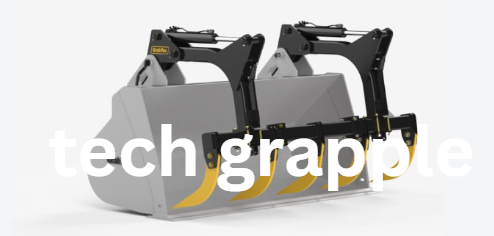
Tech grapple is a term that can refer to different types of grappling equipment, tools, or technology depending on the product and industry. Grapples are generally designed to grip, hold, lift, move, or secure objects. They can be found in construction, forestry, material handling, industrial work, and specialized equipment.
Because the term “tech grapple” may describe different products, it is important to understand the specific model, manufacturer, intended application, and technical specifications before purchasing or using one.
What Is a Tech Grapple?
A tech grapple is generally a mechanical or equipment-based gripping system designed to handle materials or objects. A grapple can use jaws, arms, clamps, or similar mechanisms to securely hold an object.
Depending on the design, grapples may be operated manually, hydraulically, electrically, or through another mechanical system. Their construction and capacity can vary significantly between models.
The word “tech” may indicate a particular product line, technology, or manufacturer, so users should verify the exact product information before making a decision.
also read: Tech Deck Pro Series
How Does a Grapple Work?
A grapple typically works by using one or more gripping components that move around an object. Once the jaws of tech grapple or arms close, they can hold the material securely enough for the intended task.
In industrial and heavy-equipment applications, hydraulic systems are commonly used to control grapple movement. The operator can open and close the grapple using controls connected to the machine.
The operating method depends on the equipment and its intended use.
Common Uses of Grapples
Grapples are used in many industries because they can make material handling easier. Common applications include moving logs, branches, construction materials, scrap materials, and other objects.
In forestry, grapple tech grapple attachments can help equipment handle logs and branches. In construction, they can be used for moving certain types of materials.
Industrial facilities may also use specialized grapples for material handling and sorting.
Tech Grapple in Construction
Construction equipment may use grapple attachments to move materials that are difficult to handle manually. A grapple can allow an operator to pick up and reposition suitable objects using a compatible machine.
Before using a tech grapple on a construction site, operators should understand the equipment’s load limits, attachment requirements, operating procedures, and safety instructions.
The correct attachment must be selected for the machine and the type of material being handled.
Tech Grapple for Forestry
Forestry is another area where grapple equipment can be useful. Grapples designed for forestry applications can help machines handle logs, branches, and other materials.
Forestry grapples can differ tech grapple in jaw shape, size, weight, rotation capability, and lifting capacity. Selecting the correct model depends on the machine being used and the type of forestry work involved.
Manufacturers’ specifications should always be checked before using an attachment.
Important Features to Consider
When evaluating a tech grapple, several technical factors should be considered. These include gripping capacity, maximum load, jaw opening, attachment compatibility, weight, construction materials, and operating mechanism.
Hydraulic grapples may also have specifications relating to hydraulic pressure and flow requirements.
The grapple should be compatible with the equipment on which it will be installed. Using an incompatible attachment can affect performance and may create safety risks.
Durability and Construction
Durability is important for equipment that handles heavy or demanding workloads. A grapple may be exposed to impacts, pressure, dirt, moisture, and repeated movement.
The construction materials and manufacturing quality can therefore affect its service life. However, even durable equipment tech grapple requires regular inspection and maintenance.
Users should check for signs of damage, unusual movement, loose components, or other issues before operation.
Maintenance Tips
Regular maintenance can help keep grapple equipment functioning properly. Follow the manufacturer’s maintenance schedule and inspect the equipment before use.
Depending on the model, maintenance may include lubrication, checking hydraulic connections, inspecting pins and joints, and looking for tech grapple cracks or excessive wear.
Hydraulic equipment should be handled carefully, and repairs involving pressurized systems should be performed by appropriately trained professionals.
Safety Considerations
Safety is especially important when operating grapples because they may be used to handle heavy materials. Operators should receive appropriate training and understand the equipment’s operating instructions.
Never exceed the manufacturer’s rated capacity. tech grapple Keep people away from areas where materials could fall or move unexpectedly.
Before operating the grapple, inspect the attachment and make sure it is properly connected to the machine. Follow the manufacturer’s safety instructions and workplace procedures at all times.
Choosing the Right Tech Grapple
Choosing the correct grapple starts with identifying the intended application. Consider what materials you need to handle and which machine will operate the attachment.
Next, compare specifications such as capacity, jaw opening, attachment type, hydraulic requirements, weight, and dimensions.
It is also useful tech grapple to consider replacement parts, manufacturer support, warranty coverage, and maintenance requirements.
Benefits of Grapple Equipment
Grapples can make certain material-handling tasks more efficient by allowing an operator to grip and move objects using machinery. They can reduce the need for manual handling and help equipment perform specialized tasks.
The actual benefits tech grapple depend on the specific grapple, machine, material, and working environment.
Conclusion
A tech grapple can be a useful piece of equipment for material handling, construction, forestry, and other applications. Because grapple designs vary considerably, users should focus on the exact product specifications rather than relying only on the product name.
Compatibility, capacity, construction, maintenance, and safety should all be considered before purchasing or operating a grapple. Selecting the correct equipment and following the manufacturer’s instructions can tech grapple help users get reliable performance from their attachment.
FAQs
- What is a tech grapple?
A tech grapple generally refers to a grappling tool or attachment designed to grip, hold, lift, or move materials. The exact meaning depends on the manufacturer and product.
- What are grapples used for?
Grapples can be used for handling logs, branches, construction materials, scrap, and other suitable objects.
- Are all grapples hydraulic?
No. Grapples can use different operating systems, including hydraulic, mechanical, or other mechanisms depending on their design.
- How do I choose a grapple?
Consider the material being handled, machine compatibility, load capacity, jaw opening, attachment type, hydraulic requirements, and manufacturer specifications.
- Can a grapple be used for forestry?
Yes, specialized forestry grapples are designed for applications involving logs, branches, and related materials.
- How do I maintain a grapple?
Follow the manufacturer’s maintenance instructions. Regular inspection, lubrication where required, and checking connections and moving components can help maintain the equipment.
- Why is grapple compatibility important?
A grapple must be compatible with the machine’s attachment system and operating requirements. Incorrect compatibility can affect performance and safety.
- Are grapples suitable for construction?
Some grapples are specifically designed for construction and material-handling applications. The correct model should be selected according to the machine and material.
- Can a grapple lift heavy objects?
Some grapples are designed for heavy material handling, but their capacity varies by model. Never exceed the manufacturer’s rated load.
- Where can I find specifications for a tech grapple?
The manufacturer’s official product documentation, specification sheet, or authorized dealer can provide information about capacity, dimensions, compatibility, and operating requirements.
1 thought on “Tech Grapple: Features, Uses, Benefits, and Buying Guide”