
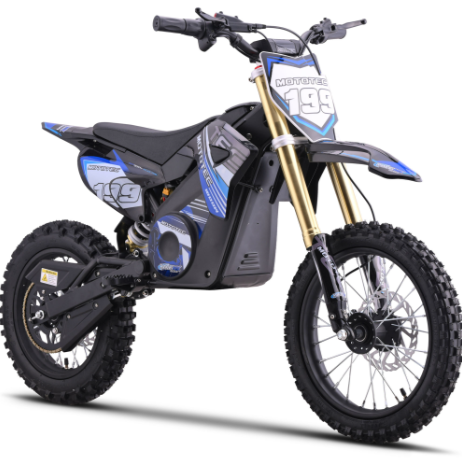
Moto techs is transforming the motorcycle industry through innovations in electric mobility, smart connectivity, engine performance, rider safety, and digital diagnostics. From advanced motorcycles and electric scooters to connected helmets and intelligent maintenance systems, modern technology is changing how people ride, maintain, and experience two-wheelers.
Whether you are a motorcycle enthusiast, a professional mechanic, a technology student, or someone interested in the automotive industry, understanding moto tech can help you explore new developments and career opportunities. This article explains what moto tech means, its major applications, the benefits of modern motorcycle technology, and the trends shaping the future of two-wheeled transportation.
What Is Moto Tech?
Moto tech generally refers to technology associated with motorcycles, scooters, motorcycle maintenance, and related mobility systems. The term can also refer to a particular company, brand, or service using the name Moto Tech, depending on the context.
In the broader Moto techs automotive industry, moto tech includes mechanical engineering, electronic control systems, digital instruments, electric powertrains, diagnostic software, and connected riding features.
These technologies help manufacturers improve performance, enhance rider safety, reduce emissions, and provide more convenient riding experiences. Motorcycle workshops also use modern diagnostic tools to identify faults and perform maintenance more efficiently.
also read: maintenance tech position
Key Technologies Used in Modern Motorcycles
1. Advanced Engine Technology
Traditional motorcycles use internal combustion engines powered by petrol. Modern engine designs incorporate improvements Moto techs in fuel injection, combustion efficiency, electronic engine management, and emissions control.
Electronic fuel injection systems help regulate fuel delivery according to operating conditions. This can improve fuel efficiency, engine response, and emissions performance compared with older systems.
Manufacturers continue to develop engines that balance power, reliability, fuel economy, and environmental requirements.
2. Electric Motorcycles and Scooters
Electric motorcycles are becoming an Moto techs important part of the two-wheeler market. Instead of a conventional petrol engine, these vehicles use electric motors and rechargeable battery packs.
Electric models can offer quiet operation, instant torque, and lower routine maintenance requirements because they have fewer moving powertrain components than many petrol motorcycles.
However, battery range, charging availability, purchase price, and battery replacement costs remain important considerations for buyers.
3. Smart Connectivity
Some modern motorcycles feature Bluetooth connectivity, smartphone integration, navigation, and digital displays. Depending on the model, riders may Moto techs receive navigation instructions, view vehicle information, or connect compatible communication devices.
Connected features can make journeys more convenient, particularly for riders who regularly travel through unfamiliar areas.
Nevertheless, riders should configure devices before moving and avoid interacting with screens or phones while riding.
4. Advanced Safety Systems
Motorcycle safety technology has developed considerably over the years. Anti-lock braking systems (ABS) help prevent wheel lockup during hard braking, while some Moto techs advanced models offer traction control and electronic stability-related features.
Depending on the motorcycle, additional technologies may include tire-pressure monitoring, riding modes, and cornering-sensitive braking assistance.
These systems can help riders maintain control under certain conditions, but they do not eliminate the risks associated with speeding, poor road surfaces, or unsafe riding.
How Moto Tech Is Changing Motorcycle Maintenance
Modern motorcycle maintenance increasingly combines traditional mechanical skills with electronic diagnostics Moto techs.
Mechanics may use diagnostic scanners to read fault codes, inspect sensors, and identify issues within compatible electronic control systems. Digital service records can also help workshops track maintenance schedules and repair histories.
Other useful tools include battery testers, electronic multimeters, fuel-system diagnostic equipment, and manufacturer-specific software.
Regular maintenance remains essential. Checking tire pressure, inspecting brakes, changing fluids where applicable, maintaining the chain, and following the manufacturer’s service schedule can improve reliability and safety.
Riders should use qualified technicians for complex electrical, battery, braking, and engine-management repairs.
Benefits of Modern Motorcycle Technology
Moto tech offers several Moto techs advantages for riders, manufacturers, and repair businesses.
Improved safety: Features such as ABS and traction control can help reduce certain risks when used correctly.
Better efficiency: Engine-management improvements and electric powertrains can reduce energy consumption or fuel use.
Convenient navigation: Connected displays and compatible smartphone systems can make route planning easier.
More accurate diagnostics: Electronic tools can help mechanics identify faults without relying entirely on trial and error.
Lower routine maintenance in some models: Electric motorcycles generally require less powertrain servicing than petrol motorcycles, although tires, brakes, suspension, and other components still need attention.
The actual benefits depend on the motorcycle’s design, the quality of its technology, and how the vehicle is used.
Moto Tech Career Opportunities
The development of motorcycle technology creates opportunities for people interested in automotive and technical careers.
Motorcycle mechanics inspect, service, and repair engines, brakes, transmissions, and other components. Electric vehicle technicians work with Moto techs electric motors, battery systems, charging equipment, and related electronics after receiving appropriate training.
Other career paths include automotive electrical technicians, diagnostic specialists, motorcycle service advisors, parts specialists, and mechanical engineers.
People interested in these fields can begin with basic mechanical training and gradually develop skills in electrical systems, digital diagnostics, and electric vehicle technology.
Hands-on experience, safety awareness, and manufacturer-specific training can be valuable when applying for technical positions.
The Future of Moto Tech
The future of moto tech is likely to involve further electrification, improved battery performance, smarter diagnostic systems, and greater integration Moto techs between vehicles and digital services.
Manufacturers may continue developing lighter batteries, more efficient motors, connected safety features, and improved charging solutions. Software updates and predictive maintenance tools may also become more common in compatible motorcycles.
Adoption will vary by market. Factors such as electricity access, charging infrastructure, road conditions, affordability, and consumer preferences will influence how quickly new technologies become widespread.
For riders, the best approach is to evaluate new features based on practical needs, reliability, service availability, and total ownership costs rather than technology alone.
FAQs
1. What does moto tech mean?
Moto tech generally refers to motorcycle-related technology, including engines, electric motorcycles, digital diagnostics, connectivity, and safety systems. It may also be the name of a specific company or brand.
2. Is moto tech related to electric motorcycles?
Yes. Electric motorcycles are an important part of motorcycle technology, using electric motors, battery packs, and electronic control systems instead of conventional petrol powertrains.
3. What technologies improve motorcycle safety?
ABS, traction control, tire-pressure monitoring, and certain advanced braking systems can improve safety. Their availability depends on the motorcycle model.
4. Can technology help diagnose motorcycle problems?
Yes. Compatible diagnostic scanners and electronic testing tools can help mechanics identify fault codes, sensor problems, and electrical issues.
5. Are electric motorcycles easier to maintain?
They often require less routine powertrain maintenance because they have fewer moving engine components. However, tires, brakes, suspension, batteries, and electrical systems still require proper inspection and servicing.
6. What skills are needed for a moto tech career?
Useful skills include mechanical troubleshooting, electrical fundamentals, diagnostic tool operation, safety procedures, and knowledge of motorcycle systems.
7. Will motorcycle technology continue to improve?
Likely developments include better batteries, improved electronic safety systems, connected features, and more advanced diagnostic tools. The speed of adoption will depend on costs and market demand.
Conclusion
Moto techs is reshaping the motorcycle industry through improved engines, electric mobility, connected features, advanced safety systems, and digital maintenance tools. These developments can make motorcycles more efficient, easier to diagnose, and safer to operate under appropriate conditions.
For enthusiasts, understanding moto tech helps with informed purchasing and maintenance decisions. For aspiring technicians, learning mechanical fundamentals alongside modern electronics can open doors to new career opportunities. As the industry evolves, practical skills and responsible use of technology will remain essential.