
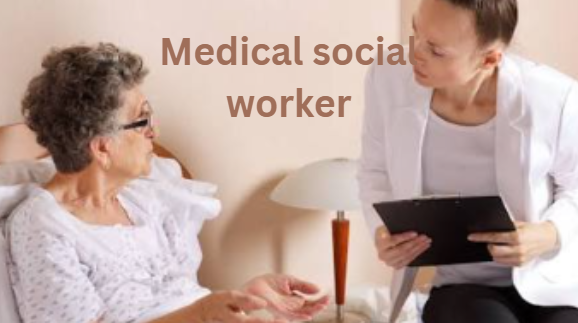
A medical social worker is a trained professional who helps patients and families deal with the social, emotional, financial, and practical challenges that can accompany healthcare needs. Medical workers are commonly part of healthcare teams and may work in hospitals, clinics, rehabilitation centers, nursing facilities, and community health organizations.
Their work goes beyond medical treatment. They help patients understand available resources, coordinate support services, communicate with healthcare teams, and prepare for challenges that may arise during or after treatment. Their goal is often to help individuals and families navigate healthcare systems and access appropriate support.
What Is a Medical Social Worker?
A medical social worker is a social work professional who specializes in supporting people within healthcare settings. They may work with patients facing short-term medical problems, long-term conditions, injuries, disabilities, or other circumstances that affect daily life.
Medical workers do not replace doctors, nurses, or other clinical professionals. Instead, they provide social and practical support that complements medical care.
Depending on their workplace, they may help patients identify community resources, arrange appropriate services, address social barriers, and plan for their transition from a healthcare facility to another setting.
What Does a Medical Social Worker Do?
The responsibilities of a medical social worker vary according to the healthcare setting and the needs of the patients. Common responsibilities may include:
- Assessing patients’ social and practical needs
- Providing supportive counseling within their professional role
- Helping patients and families understand available resources
- Connecting people with community services
- Assisting with discharge and transition planning
- Coordinating with healthcare professionals
- Helping identify financial or transportation resources
- Supporting families during difficult healthcare situations
- Advocating for patients’ needs
- Maintaining appropriate professional documentation
Medical social workers may also communicate with community organizations, government agencies, insurance providers, and other services when appropriate.
Education and Qualifications
Educational requirements vary by country, employer, and position. Many professional medical social work roles require a degree in social work, while some positions may require postgraduate education or professional registration or licensure.
Training commonly includes areas such as social work practice, human behavior, social welfare systems, ethics, communication, and field experience.
Because professional requirements differ between jurisdictions, individuals interested in becoming medical social workers should check the regulations and qualification requirements applicable to their location.
Medical Social Worker vs. General Social Worker
Both professionals use social work principles to support individuals and families, but their work environments can differ.
A medical social worker generally specializes in healthcare settings and may work closely with medical teams. A general social worker may work in areas such as schools, community organizations, family services, or other social-service environments.
The education and professional requirements may overlap, but specialized healthcare experience can be important for medical social work positions.
Importance of Medical Social Workers
Healthcare challenges can affect many areas of a person’s life. A patient may have difficulty arranging transportation, accessing community resources, managing changes at home, or understanding available support services.
Medical social workers can help address these non-medical factors. By connecting patients and families with appropriate resources, they can support continuity of care and help healthcare teams understand relevant social circumstances.
Their work can be particularly valuable when patients need assistance transitioning between healthcare facilities, home, rehabilitation services, or community programs.
How to Become a Medical Social Worker
People interested in this career should begin by researching social work education programs and the professional requirements in their area. Completing relevant education and supervised practical experience can provide a foundation for healthcare social work.
Experience medical social worker in hospitals, clinics, community organizations, or related social-service settings can also help candidates develop useful skills.
Professional development is important because healthcare systems, community resources, and social-service programs can change over time.
Career Opportunities and Growth
Medical social workers may advance into senior social work, case management, care coordination, program management, or healthcare administration roles, depending on their qualifications and professional interests.
Some experienced professionals may also specialize in areas such as rehabilitation, oncology, geriatrics, mental health, palliative care, or community health.
Career opportunities depend on local regulations, qualifications, healthcare systems, and employer requirements.
Conclusion
A medical social worker plays an important role in helping patients and families manage the social and practical challenges associated with healthcare. They work alongside healthcare professionals to connect people with resources, provide professional support, assist with transitions, and help address barriers to care.
For individuals who enjoy helping others, communication, problem-solving, and healthcare teamwork, medical social work can be a meaningful professional field. Appropriate education, practical experience, and knowledge of local professional requirements are important steps toward entering this career.
FAQs
- What is a medical social worker?
A medical social worker is a social work professional who supports patients and families with social, emotional, practical, and resource-related challenges in healthcare settings.
- What does a medical social worker do?
They may assess social needs, connect patients with resources, assist with discharge planning, coordinate services, communicate with healthcare teams, and provide professional support.
- Where do medical social workers work?
They may work in hospitals, clinics, rehabilitation centers, nursing facilities, community health organizations, and other healthcare settings.
- What degree is needed to become a medical social worker?
Requirements vary by location and employer. Many professional positions require a social work degree and may also require registration, licensure, or additional qualifications.
- Do medical social workers provide medical treatment?
No. Their primary role is social and practical support. They work alongside healthcare professionals rather than replacing doctors, nurses, or other clinical providers.
- What skills does a medical social worker need?
Important skills include communication, empathy, organization, problem-solving, advocacy, teamwork, and the ability to work professionally with patients and families.
- Can medical social workers help with healthcare resources?
Yes. Depending on their role, they may connect patients with appropriate community programs, financial resources, transportation assistance, support services, and other available resources.
- Is medical social work a good career?
It can be a rewarding career for people interested in healthcare, social services, communication, and helping individuals navigate difficult situations. Career requirements and opportunities vary by location.
- What is the difference between a medical social worker and a nurse?
A nurse provides clinical healthcare services within their professional scope, while a medical social worker focuses primarily on social, emotional, practical, and resource-related needs.
- Can medical social workers specialize?
Yes. Depending on their education and experience, medical social workers may develop expertise in areas such as rehabilitation, geriatrics, oncology, palliative care, or community health.