
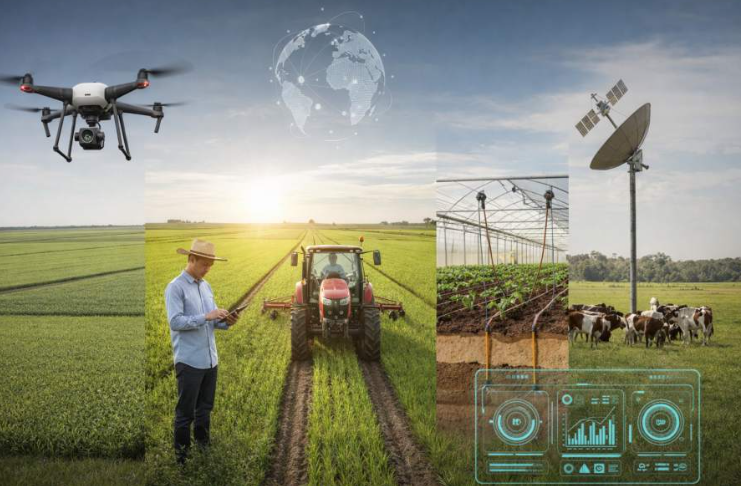
Farm tech, also known as technology, is changing how farmers grow crops, manage livestock, and use natural resources. From GPS-guided tractors to smart irrigation systems and artificial intelligence, modern technology helps farmers make informed decisions and improve agricultural operations.
What Is Farm Tech?
Farm tech refers to the tools, equipment, software, and digital systems used to improve farming activities. It includes agricultural machinery, soil sensors, drones, automated irrigation, mobile applications, and data analysis platforms.
According to the USDA, modern agricultural technology includes sensors, robotics, GPS systems, and aerial imaging. These technologies can support productivity while reducing waste and environmental impacts.
also read: Desert Tech MDRX
Types of Farm Tech
1. Precision Agriculture
GPS guidance, soil mapping, and crop monitoring can help farmers determine where water, fertilizer, or other inputs are needed.This approach Farm tech can reduce overlapping applications, save resources, and improve farm management.
2. Smart Irrigation Systems
Water is essential for successful farming, but inefficient irrigation can waste valuable resources. Smart irrigation systems use soil-moisture sensors, timers, weather information, and automated controls to manage watering.
These systems can help farmers determine Farm tech when crops need water and avoid unnecessary irrigation. They are especially useful in areas where rainfall is unreliable or water supplies are limited.
3. Agricultural Drones
Drones allow farmers to observe fields from above and collect images that may reveal crop stress, uneven growth, pest damage, or irrigation problems.
When combined with suitable software, drone imagery Farm tech can help identify areas that need closer inspection.
4. Artificial Intelligence in Farming
Depending on the system, AI may assist with disease detection, yield forecasting, irrigation planning, and pest monitoring. However, its recommendations should be checked against Farm tech local conditions and reliable agricultural guidance.
5. Automated Farm Machinery
Modern tractors, harvesters, and planting equipment can include GPS guidance, sensors, and automated controls. These features help operators complete tasks more consistently and Farm tech manage field operations efficiently.
Robotic systems are also being developed for activities such as weeding, harvesting, and livestock care. The equipment suitable for a farm depends on its size, crops, budget, and operating conditions.
Benefits of Farm Tech
Improved productivity: Monitoring tools can help farmers identify crop problems earlier and manage growing conditions more effectively.
Reduced waste: Precision applications can limit unnecessary use of water, fertilizer, fuel, and pesticides.
Time savings: Automation can reduce the time required for repetitive tasks and routine monitoring.
Better decisions: Digital records and sensor data provide additional information for planning planting, irrigation, and harvesting.
Environmental protection: Using agricultural inputs more carefully can help reduce runoff and limit unnecessary pressure on surrounding ecosystems.
The benefits vary according to the technology, farm conditions, and how effectively the Farm tech equipment is used.
Challenges of Using Farm Tech
Although farm tech offers useful opportunities, adopting new systems can be challenging. Advanced machinery, sensors, and software may require a significant initial investment. Farmers also need training, reliable maintenance, and access to technical support.
Internet connectivity can be another problem in rural areas. Some technologies may also collect more data than farmers can easily interpret without suitable software or assistance.Farmers can expand their use of technology when the benefits justify the additional cost.
The Future of Farm Tech
The future of farm tech will likely involve greater integration of AI, robotics, connected sensors, satellite imagery, and automated equipment. These systems may help farmers respond more quickly to changing weather and crop conditions.
The Food and Agriculture Organization highlights smart farming as an approach that combines digital technologies, data, and precision agriculture to improve resource management and support sustainable production.
Is Farm Tech Worth Investing In?
Farm tech can be valuable when it solves a real agricultural problem. Before investing, farmers should compare the equipment cost with likely savings, maintenance requirements, and expected benefits.
Conclusion
Farm tech is helping transform agriculture through precision farming, smart irrigation, drones, artificial intelligence, and automated machinery. These innovations can improve farm management, reduce waste, save time, and support more sustainable agricultural practices.
Although cost, connectivity, and training remain important challenges, farmers can adopt technology gradually according to their needs and budgets. By combining practical farming knowledge with appropriate digital tools, agricultural businesses can prepare for a more efficient and technology-driven future.
FAQs
1. What does farm tech mean?
Farm tech means using technology, machinery, software, and digital tools to improve agricultural production and farm management.
2. What are examples of farm technology?
Examples include GPS-guided tractors, agricultural drones, soil sensors, smart irrigation, robotic equipment, and AI-powered crop monitoring.
3. How does farm tech help farmers?
It can help farmers monitor crops, manage resources, reduce waste, save time, and make better-informed decisions.
4. What is precision agriculture?
Precision agriculture uses data and technology to manage fields according to differences in soil, crops, and growing conditions.
5. Can small farms use farm tech?
Yes. Small farms can begin with affordable tools such as weather apps, soil testing, moisture sensors, and efficient irrigation systems.
6. How are drones used in agriculture?
Drones collect aerial images that can help farmers monitor crop growth, identify potential stress, and inspect areas requiring attention.
7. What role does AI play in farm tech?
AI can analyze agricultural data to assist with crop monitoring, pest detection, yield estimates, and resource planning.
8. What are the disadvantages of farm technology?
Common challenges include equipment costs, maintenance, training requirements, limited connectivity, and difficulties interpreting complex data.
9. Is farm tech environmentally friendly?
It can be. Technologies that improve water use and reduce unnecessary fertilizer or pesticide applications may help reduce environmental impacts.
10. What is the future of farm tech?
Future developments are likely to include more connected sensors, AI-based decision tools, robotics, precision agriculture, and automated farm equipment.