
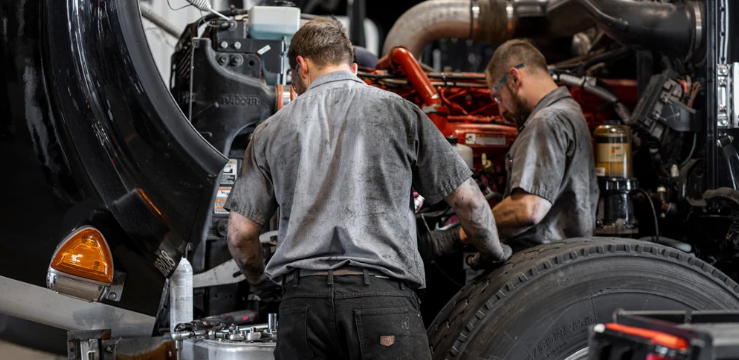
Diesel techs is an important field in the transportation, construction, agriculture, and automotive industries. Diesel maintain, diagnose, and repair diesel-powered engines and equipment, helping vehicles and machinery operate safely and efficiently. As trucks, buses, tractors, and heavy machinery rely on dependable engines, skilled diesel play an important role in keeping businesses running.
Whether you want to become a diesel or learn more about diesel technology, understanding the responsibilities, training requirements, and career opportunities can help you make an informed decision.
What Is Diesel Tech?
Diesel techs, short for diesel technology, involves the maintenance, diagnosis, and repair of diesel engines and their related systems.Modern diesel technology also involves electronic control systems, fuel injection, exhaust systems, and emissions-control equipment.
also read: Cloud tech shoes
What Does a Diesel Tech Do?
A diesel techs performs a variety of maintenance and repair tasks depending on the workplace and equipment being serviced. Common responsibilities include inspecting engines, checking fluid levels, replacing damaged parts, testing brakes, and repairing electrical systems.
Diesel technicians also use diagnostic equipment to identify engine faults and interpret technical information. They may maintain service records, document repairs, and explain mechanical problems to customers or supervisors.
Some technicians specialize in heavy trucks, while others work on buses, agricultural machinery, construction equipment, or marine diesel engines.
Essential Diesel Tech Skills
Successful diesel techs need a combination of practical, technical, and problem-solving skills.
Diagnostic skills: Modern diesel engines use electronic controls, so technicians must learn to interpret fault codes and test engine components.
Attention to detail: Small mechanical or electrical problems can cause major equipment failures if overlooked.
Physical ability: The job may involve lifting tools, handling heavy components, and working in uncomfortable positions.
Communication: Technicians often explain repairs, discuss maintenance needs, and work with other members of a service team.
These skills develop through technical education, supervised experience, and continued training.
How to Become a Diesel Tech
The path to becoming a diesel techs usually begins with a high school education or equivalent.Practical workshops help students develop hands-on experience with tools and equipment.
According to the U.S. Bureau of Labor Statistics, employers may prefer candidates who have completed postsecondary diesel-engine training, although many technicians also learn through workplace experience. Certification may be required or preferred for certain positions. citeturn669685search0
Where Do Diesel Technicians Work?
Diesel techs professionals work in several industries.
Other opportunities exist in bus fleets, equipment rental companies, government maintenance departments, agricultural businesses, construction companies, and machinery dealerships.
Work schedules can include evenings, weekends, or overtime when vehicles need urgent maintenance. citeturn669685search0
Diesel Tech Salary
Experienced technicians with strong diagnostic skills may qualify for more advanced positions, although pay varies considerably between industries and regions.
In the United States, the median annual wage for diesel service technicians and mechanics was $61,770 in May 2025, according to the U.S. Bureau of Labor Statistics. This is a U.S. figure and should not be treated as a salary estimate for Pakistan or another country. citeturn669685search0
Career Outlook for Diesel Tech
Diesel technology offers career opportunities wherever diesel-powered vehicles and equipment require maintenance. Technicians can develop specialized skills in electronic diagnostics, fuel injection, emissions systems, or heavy equipment repair.
The U.S. Bureau of Labor Statistics projects 4% employment growth from 2025 to 2035 for diesel service diesel techs technicians and mechanics, with an average of approximately 24,400 openings per year over that period. Many openings are expected to result from workers leaving the occupation or retiring. citeturn669685search0
Learning newer diagnostic technologies and gaining practical experience can help technicians adapt as engines and equipment become more sophisticated.
Is Diesel Tech a Good Career?
Diesel techs can be a good career for people who enjoy practical work, mechanical problem-solving, and repairing machinery. It offers opportunities across transportation, agriculture, construction, and equipment maintenance.
However, the job can be physically demanding and may involve noisy workshops, dirty components, and strict safety requirements. Before choosing this career, consider whether you enjoy hands-on work and are willing to continue learning as technology changes.
Conclusion
Diesel techs combines mechanical expertise, electronic diagnostics, and practical repair skills to keep diesel-powered vehicles and equipment operating efficiently. From commercial trucks and buses to tractors and construction machinery, diesel technicians support industries that depend on reliable equipment.
With suitable training, hands-on experience, and a commitment to learning modern diagnostic systems, aspiring technicians can prepare for a range of career opportunities. Researching local qualifications and employers is the best first step toward entering the field.
FAQs
1. What does diesel tech mean?
Diesel tech refers to diesel technology, including the diagnosis, maintenance, and repair of diesel engines and related equipment.
2. What does a diesel technician do?
A diesel technician inspects engines, identifies faults, performs maintenance, replaces damaged components, and repairs mechanical and electrical systems.
3. What education is needed to become a diesel tech?
A high school diploma or equivalent is a common starting point. Vocational training or a postsecondary diesel technology program can improve practical skills and job prospects. citeturn669685search0
4. Is diesel tech difficult to learn?
It requires mechanical understanding, attention to detail, and practical experience. Training and supervised practice can help beginners develop the necessary skills.
5. How much does a diesel tech earn?
Earnings depend on location, experience, and specialization. The U.S. median annual wage was $61,770 in May 2025. citeturn669685search0
6. Where can diesel technicians work?
They can work for transportation companies, repair shops, bus operators, agricultural businesses, construction companies, and equipment dealerships.
7. Do diesel technicians need certification?
Requirements vary by employer and location. Some employers require or prefer industry certification, especially for specialized work. citeturn669685search0
8. Is diesel tech different from automotive technology?
Yes. Diesel technology focuses on diesel engines and related systems, often in trucks and heavy equipment. Automotive technology commonly focuses on passenger cars and light vehicles, although the fields overlap.
9. Does diesel tech involve computers?
Yes. Modern diesel engines use electronic control systems and diagnostic tools, so computer-based troubleshooting is an increasingly important skill.
10. Is diesel tech a good long-term career?
It can be a suitable long-term career for people who enjoy mechanical work and keep their skills current as vehicle and engine technology develops.
1 thought on “Diesel Techs: Career Guide, Skills, Salary, and FAQs”