
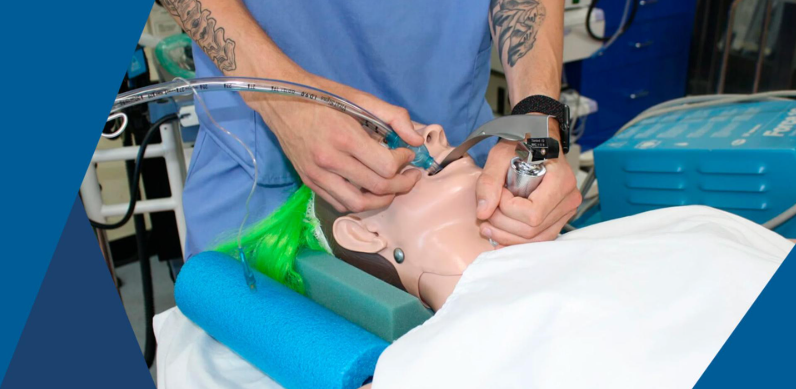
An anesthesiologist tech is a healthcare professional who supports anesthesia providers before, during, and after medical procedures. The term is commonly used to describe an anesthesia technician or anesthesia technologist. These professionals help prepare anesthesia equipment, supplies, monitoring devices, and other materials needed for safe patient care.
An anesthesiologist tech does not replace an anesthesiologist. Instead, the technician or technologist works as part of the anesthesia care team and supports the licensed anesthesia provider. The American Society of Anesthesia Technologists and Technicians (ASATT) describes these professionals as important members of the anesthesia patient-care team.
What Is an Anesthesiologist Tech?
An anesthesiologist tech is a trained healthcare worker who specializes in anesthesia equipment and technical support. Their responsibilities can include preparing equipment, checking supplies, maintaining anesthesia machines, and helping the anesthesia provider during surgical procedures.
The exact duties depend on education, certification, workplace policies, and local regulations. Anesthesia technicians and technologists may work in hospitals, operating rooms, surgical centers, and other healthcare environments.
Their work is especially important because anesthesia requires properly functioning equipment and carefully prepared supplies. A well-organized anesthesia area allows the medical team to work efficiently during procedures.
also read: Canvas Florida Tech
What Does an Anesthesiologist Tech Do?
The daily responsibilities of an anesthesiologist tech can vary, but several duties are common across the profession.
Preparing Anesthesia Equipment
Before a procedure, the anesthesiologist tech may prepare anesthesia machines, breathing equipment, airway supplies, monitors, and other necessary equipment. They make sure supplies are available and properly organized.
Maintaining Equipment
Anesthesia equipment needs regular inspection and maintenance. Depending on their training and workplace responsibilities, anesthesia technicians and technologists anesthesiologist tech may clean, sterilize, assemble, calibrate, test, and troubleshoot equipment.
Supporting the Anesthesia Team
During surgery, an anesthesiologist tech can provide technical assistance to the anesthesia provider. They may help obtain additional equipment or supplies when needed and support the proper functioning of monitoring and anesthesia-delivery systems.
Managing Supplies
Inventory management is another important responsibility. anesthesiologist tech departments use many specialized supplies, so technicians may monitor stock levels, organize equipment, and help ensure that essential items are available.
Anesthesiologist Tech vs. Anesthesiologist
An anesthesiologist and an anesthesiologist tech have very different roles.
An anesthesiologist is a physician who specializes in anesthesia and related medical care. An anesthesia technician or technologist is a technical healthcare professional who supports the anesthesia provider.
An anesthesiologist is responsible for clinical decisions involving anesthesia and patient care within their scope of practice. The anesthesia tech focuses primarily on equipment, supplies, technical preparation, and support.
Therefore, someone searching for an anesthesiologist tech career should look for anesthesia technology or anesthesia technician education rather than medical school for anesthesiology.
Education for an Anesthesiologist Tech
Education requirements vary by location and employer. In the United States, ASATT recognizes pathways for becoming a Certified Anesthesia Technologist. One route involves completing a CAAHEP-accredited or CoA-ATE-approved anesthesia technology program and then successfully passing the required technologist examination.
Training commonly covers areas such as anatomy and anesthesiologist tech physiology, infection control, airway management equipment, anesthesia machines, monitoring equipment, intravenous therapy, and other anesthesia-related subjects.
Students should always check the requirements of the country, state, hospital, or employer where they plan to work because education and certification requirements can differ.
Anesthesiologist Tech Certification
Certification can demonstrate professional knowledge and competence. ASATT recognizes the Certified Anesthesia Technician (Cer.A.T.) and anesthesiologist tech Certified Anesthesia Technologist (Cer.A.T.T.) credentials. ASATT currently provides certification opportunities for technologists, while its technician certification is no longer offered as a new examination, although existing credentials remain recognized.
Certified professionals may also need continuing education. According to ASATT, Cer.A.T. professionals must complete 20 continuing education credits during a two-year certification period, while Cer.A.T.T. professionals must complete 30 credits, with additional requirements for ACLS.
Skills Needed for an Anesthesiologist Tech
A successful anesthesiologist tech needs both technical and interpersonal skills. Attention to detail is particularly important because equipment and supplies must be prepared correctly.
Useful skills include:
- Knowledge of anesthesia equipment
- Basic understanding of anatomy and physiology
- Equipment troubleshooting
- Organization and inventory management
- Infection-control awareness
- Communication skills
- Ability to work under pressure
- Teamwork
- Careful attention to safety procedures
- Willingness to continue learning
Because operating rooms can be busy environments, anesthesia technology professionals also need to communicate effectively with anesthesiologists, anesthetists, nurses, surgeons, and other healthcare workers.
Where Can an Anesthesiologist Tech Work?
Anesthesiologist tech professionals can work in environments where anesthesia services are provided. Common workplaces include hospitals, operating rooms, outpatient surgical centers, and specialized healthcare facilities.
Some professionals may eventually pursue advanced education or certification to increase their responsibilities within anesthesia technology. ASATT also provides an advancement route from the Certified Anesthesia Technician credential toward technologist certification for eligible professionals.
Is Anesthesiologist Tech a Good Career?
An anesthesia technology career may suit people who enjoy healthcare but are particularly interested in medical equipment and technical responsibilities. The job combines healthcare teamwork with hands-on equipment management.
It can also provide anesthesiologist tech opportunities for professional development through education, certification, and continuing education. However, people considering this career should research local education requirements, employment opportunities, working conditions, and certification rules before choosing a program.
Conclusion
An anesthesiologist tech plays an important supporting role in modern surgical and anesthesia care. These professionals prepare and maintain anesthesia equipment, organize supplies, troubleshoot technical problems, and support anesthesia providers during procedures.
Although an anesthesia tech is different from an anesthesiologist, both can be important members of the healthcare team. With appropriate education, practical training, and professional development, anesthesia technology can be a specialized healthcare career for people interested in medical equipment and operating-room environments.
FAQs
- What is an anesthesiologist tech?
An anesthesiologist tech is commonly used to describe an anesthesia technician or technologist who supports anesthesia providers with equipment, supplies, and technical tasks.
- Is an anesthesiologist tech a doctor?
No. An anesthesia technician or technologist is not an anesthesiologist. An anesthesiologist is a physician, while an anesthesia tech provides technical support to the anesthesia care team.
- What does an anesthesiologist tech do?
An anesthesiologist tech may prepare anesthesia equipment, maintain supplies, inspect equipment, troubleshoot problems, and provide technical support during medical procedures.
- Where does an anesthesiologist tech work?
They may work in hospitals, operating rooms, surgical centers, and other healthcare facilities where anesthesia services are provided.
- What education is needed to become an anesthesiologist tech?
Requirements vary by location. In the United States, recognized anesthesia technology education programs can provide a pathway toward professional certification.
- Can an anesthesiologist tech become certified?
Yes. ASATT recognizes Certified Anesthesia Technologists and Certified Anesthesia Technicians. Certification requirements depend on the credential and eligibility pathway.
- What skills does an anesthesiologist tech need?
Important skills include equipment knowledge, organization, communication, troubleshooting, teamwork, attention to detail, and knowledge of infection-control practices.
- Does an anesthesiologist tech work directly with patients?
The amount of direct patient interaction depends on the role, training, and workplace. Much of the work focuses on supporting anesthesia care through equipment and technical responsibilities.
- Is anesthesia technology the same as anesthesiology?
No. Anesthesiology is the medical specialty practiced by anesthesiologists. Anesthesia technology is a technical healthcare profession that supports anesthesia care.
- Can anesthesia techs continue their education?
Yes. Professional organizations such as ASATT provide continuing education and certification pathways for anesthesia technology professionals.