
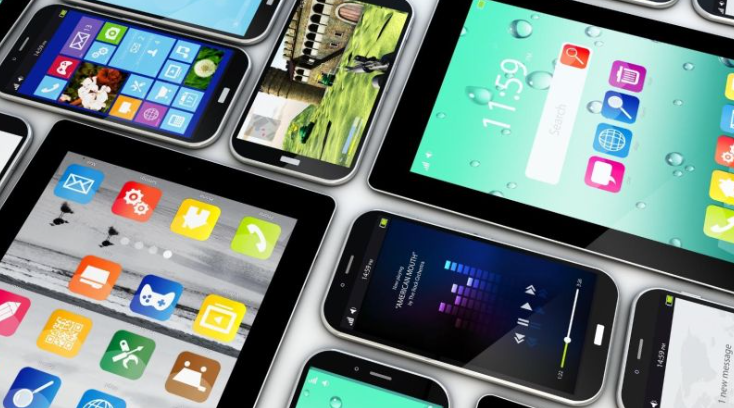
From smartphones and tablets to wearable devices and wireless networks, mobile makes digital services available almost anywhere. As artificial intelligence (AI), 5G connectivity, and mobile applications continue to develop, mobile is becoming an increasingly important part of everyday life.
In this article, we explore what mobile tech means, its main types, benefits, challenges, and future trends.
What Is Mobile Tech?
Mobile tech, also known as mobile, refers to portable electronic devices, software, and wireless communication systems that allow people to access information and communicate while moving between locations.
Examples include smartphones, tablets, smartwatches, mobile applications, and cellular networks. These technologies allow users to make calls, browse websites, attend online classes, transfer money, and manage business activities without depending on a fixed computer.
According to IBM, mobile technology combines portable computing and communication devices with the networks that connect them.
also read : echo tech
Types of Mobile Tech
1. Smartphones
They combine calling, messaging, internet access, photography, navigation, entertainment, and productivity tools in one device.
Popular smartphone platforms include Android and Apple’s iOS. Mobile tech Users can install applications for education, banking, shopping, communication, and many other purposes.
2. Tablets
Tablets provide a larger screen than most smartphones while remaining portable. They are commonly used for reading digital books, watching videos, attending online classes, drawing, and Mobile tech completing work tasks.
Students and professionals often use tablets when portability and screen size are both important.
3. Wearable Technology
Wearable devices include smartwatches, fitness trackers, and other electronic accessories worn on the body. Depending on the model, they can track physical activity, display notifications, Mobile tech monitor selected health measurements, and connect with smartphones.
4. Mobile Applications
Mobile applications, commonly called apps, allow users to perform specific tasks on portable devices. Examples include messaging apps, navigation tools, mobile banking platforms, games, and Mobile tech educational applications.
Apps have helped businesses provide services directly to customers through their phones.
5. Wireless and Cellular Networks
Technologies such as 4G LTE and 5G support mobile data, video streaming, online gaming, and other connected activities.
The Mobile tech quality of a connection depends on network coverage, device compatibility, congestion, and the service provider.
Benefits of Mobile Tech
Mobile technology offers several advantages for individuals and businesses.
Better communication: People can communicate through calls, messages, video meetings, and social media.
Convenient learning: Students can access digital books, educational videos, online courses, and virtual classrooms from different locations.
Mobile banking: Supported banking applications allow users to check balances, transfer money, and pay bills without visiting a branch.
Improved productivity: Workers can manage emails, documents, calendars, and business applications while away from their offices.
Access to information: Mobile browsers and search engines help users find news, tutorials, research, and other information quickly.
Business opportunities: Companies can reach customers through mobile websites, online stores, advertisements, and dedicated applications.
Latest Mobile Tech Trends in 2026
Artificial Intelligence in Smartphones
AI is becoming a major feature of modern mobile devices. Depending on the device, AI tools can assist with photography, writing, translation, voice commands, search, and summarizing information.
Some AI features Mobile tech operate directly on a device, while others depend on cloud computing.
Growth of 5G Connectivity
5G networks are designed to provide high data capacity and low latency under suitable conditions. They can support activities such as high-quality streaming, cloud gaming, and connected devices.
However, actual performance Mobile tech depends on coverage, network congestion, and compatible hardware.
Mobile Payments and Digital Services
Digital wallets and mobile banking continue to make payments and financial services more accessible. Users should choose trusted applications, enable Mobile tech available security protections, and verify payment details before sending money.
Connected Devices
Mobile technology increasingly connects smartphones with smartwatches, home devices, vehicles, and other electronics.
Challenges and Risks of Mobile Tech
Privacy concerns: Apps may request access to contacts, location, cameras, or microphones. Users should review permissions and share only necessary information.
Cybersecurity threats: Phishing messages, fake applications, malicious downloads, and account theft can expose personal information.
Screen time: Excessive phone use may interfere with sleep, concentration, or daily responsibilities.
Device costs: New smartphones and other connected devices can be expensive, while older devices may stop receiving important software updates.
To reduce these risks, keep software updated, use strong passwords, enable two-factor authentication when available, and avoid suspicious links.
The Future of Mobile Tech
The future of mobile technology is likely to include more capable AI assistants, improved wireless connectivity, connected devices, and better integration between mobile services and everyday activities.
The GSMA’s Mobile Economy 2026 report identifies AI and 5G as important forces shaping the mobile industry. The report estimates that mobile technologies and services contributed $7.6 trillion to the global economy in 2025. <Cite refs={[“turn153020search0”]} />
As these technologies advance, security, affordability, privacy, and reliable connectivity will remain important considerations.
Conclusion
Mobile tech has changed modern life by making communication, education, entertainment, banking, and business services more accessible. Smartphones, tablets, wearables, mobile applications, and wireless networks all contribute to this transformation.
Understanding the benefits and risks of mobile technology helps users make informed decisions. By choosing reliable devices, protecting personal information, and using mobile services responsibly, people can take better advantage of this rapidly evolving field.
FAQs
1. What does mobile tech mean?
Mobile tech refers to portable devices, applications, and wireless communication systems that let people access digital services while moving between locations.
2. What are examples of mobile technology?
Examples include smartphones, tablets, smartwatches, mobile apps, digital wallets, GPS navigation, and cellular networks.
3. Why is mobile tech important?
It supports communication, online education, remote work, digital payments, entertainment, and convenient access to information.
4. What are the main types of mobile tech?
The main types include smartphones, tablets, wearable devices, mobile applications, and wireless communication networks.
5. How does AI improve mobile technology?
AI can support features such as voice assistance, image enhancement, translation, writing tools, and personalized recommendations.
6. What is the difference between 4G and 5G?
5G is a newer cellular technology designed to offer greater capacity and lower latency than earlier networks in suitable conditions. Actual speeds vary.
7. Is mobile technology safe?
Mobile technology can be safe when used carefully. Keep devices updated, install trusted apps, review permissions, and avoid suspicious messages and links.
8. How is mobile tech used in education?
Students use mobile devices for online classes, digital textbooks, educational apps, research, communication, and practice exercises.
9. What are the disadvantages of mobile technology?
Potential disadvantages include privacy risks, cyberattacks, excessive screen time, device costs, and dependence on reliable network access.
10. What is the future of mobile tech?
Future developments are expected to include more AI-powered features, expanding 5G capabilities, improved connectivity, and greater integration between connected devices.