
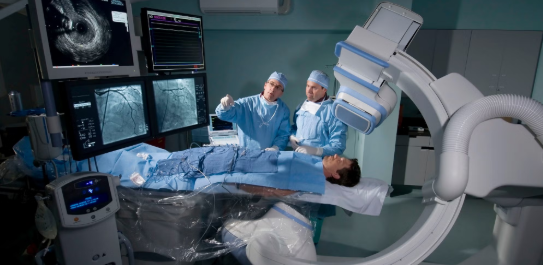
Cardiovascular tech is an important healthcare field focused on using medical technology to examine and monitor the heart, blood vessels, and related systems. Cardiovascular and technicians work with physicians and other healthcare professionals to perform diagnostic tests and assist with certain cardiovascular procedures. For people interested in healthcare and medical technology, cardiovascular tech can offer a specialized career path.
What Is Cardiovascular Tech?
Cardiovascular tech generally refers to the technology, equipment, procedures, and healthcare careers involved in evaluating the cardiovascular system. A cardiovascular or technician may operate specialized equipment, prepare patients for tests, monitor vital signs, record information, and help physicians evaluate test results.
The field includes several areas of specialization. Depending on their training, professionals may work with electrocardiograms (EKGs), stress testing, cardiac catheterization, echocardiography, or other cardiovascular procedures.
also read: Arena tech suit
What Does a Cardiovascular Tech Do?
The daily responsibilities of a cardiovascular tech can vary according to their specialty and workplace. Common duties include preparing patients for procedures, explaining tests, positioning patients correctly, operating equipment, checking the quality of test results, and maintaining patient records.
Cardiovascular may also monitor a patient’s heart rate and blood pressure during testing. Cardiovascular invasive specialists can assist physicians during procedures such as cardiac catheterization and may help with procedures involving stents or other cardiac devices.
Because cardiovascular technology involves patients and medical equipment, attention to detail and communication are important parts of the job.
Types of Cardiovascular Tech Careers
There are several career directions within cardiovascular. One common area is EKG technology, where technicians perform electrocardiogram tests that record the heart’s electrical activity.
Another area is invasive cardiovascular technology. Professionals in this specialty may work in cardiac catheterization laboratories and assist physicians during diagnostic or interventional procedures.
There are also noninvasive cardiovascular specialties involving technologies such as echocardiography and stress testing. The exact responsibilities depend on the professional’s education, certification, specialty, and local regulations.
Education for a Cardiovascular Tech Career
Education requirements vary depending on the specific cardiovascular technology position. The U.S. Bureau of Labor Statistics reports that cardiovascular and technicians typically need formal education such as an associate degree or postsecondary certificate. Some positions may also have licensing or certification requirements.
Programs commonly include subjects such as anatomy, physiology, medical terminology, and applied sciences. Many programs also include clinical training, allowing students to gain practical experience under supervision in a healthcare environment.
Students considering this field can benefit from developing a strong understanding of biology, anatomy, mathematics, and medical technology.
Skills Needed in Cardiovascular Tech
A successful cardiovascular tech needs both technical and interpersonal skills. Operating medical equipment requires accuracy and attention to detail. Professionals must also follow procedures carefully because their work contributes information that physicians use when evaluating patients.
Communication is equally important. Cardiovascular often explain procedures to patients and work closely with doctors, nurses, and other healthcare professionals. The BLS also identifies interpersonal skills, physical stamina, communication, and technical ability as important qualities for the occupation.
Where Do Cardiovascular Tech Professionals Work?
Hospitals are the largest employers of cardiovascular technologists and technicians. Other workplaces include physicians’ offices, outpatient care centers, and medical or diagnostic laboratories.
Some professionals work in environments where patients require urgent care, while others work in scheduled diagnostic departments. Depending on the workplace, cardiovascular professionals may work regular shifts or schedules that include evenings, weekends, or overnight hours.
Cardiovascular Tech Salary
Salary varies according to location, education, specialization, experience, employer, and certification. In the United States, the U.S. Bureau of Labor Statistics reported a median annual wage of $74,310 in May 2025 for cardiovascular technologists and technicians.
This figure applies to the U.S. occupation and should not be used as a direct estimate for salaries in other countries. People researching cardiovascular careers should check local salary information because compensation can differ considerably between regions.
Job Outlook for Cardiovascular Tech
The cardiovascular technology field continues to require trained professionals who can operate diagnostic equipment and support cardiovascular care. The BLS projects 4% employment growth from 2025 to 2035 for cardiovascular and technicians in the United States, with approximately 3,400 openings projected each year on average.
Job openings can result from both employment growth and the need to replace workers who leave the occupation or retire.
Is Cardiovascular Tech a Good Career?
Cardiovascular tech can be a good career option for people who enjoy healthcare, technology, science, and working directly with patients. It combines medical knowledge with specialized equipment and practical clinical work.
However, it is important to understand that this career also requires responsibility, accuracy, patient communication, and the ability to work as part of a healthcare team. Students should research the education and certification requirements in their country before choosing a specific program.
Conclusion
Cardiovascular tech combines healthcare and technology to support the diagnosis and monitoring of heart and blood-vessel conditions. Cardiovascular and technicians may perform tests, operate specialized equipment, monitor patients, maintain records, and assist physicians with cardiovascular procedures.
FAQs
1. What is cardiovascular tech?
Cardiovascular tech is a healthcare field involving technology and procedures used to examine, monitor, and support the diagnosis of conditions involving the heart and blood vessels.
2. What does a cardiovascular tech do?
A cardiovascular tech may perform diagnostic tests, operate medical equipment, prepare patients, monitor vital signs, record findings, and assist physicians with cardiovascular procedures.
3. What education is required for cardiovascular tech?
Many cardiovascular technologists and technicians complete an associate degree or postsecondary certificate. Requirements vary according to the specific position and location.
4. Is certification required for cardiovascular tech?
Certification requirements vary by location and job. Some employers may require or prefer professional certification, while certain positions may have additional licensing requirements.
5. What subjects are studied in cardiovascular technology?
Programs commonly cover anatomy, physiology, medical terminology, applied sciences, and practical clinical training.
6. Where do cardiovascular tech professionals work?
They commonly work in hospitals, physicians’ offices, outpatient care centers, and medical or diagnostic laboratories.
7. How much does a cardiovascular tech make?
In the United States, the median annual wage for cardiovascular technologists and technicians was $74,310 in May 2025. Actual salaries vary by location, experience, specialty, and employer.
8. Is cardiovascular technology difficult to study?
It can be challenging because students need to understand medical science, anatomy, equipment, and clinical procedures. Practical training can help students connect classroom knowledge with real healthcare situations.
9. Can cardiovascular tech professionals specialize?
Yes. Career areas can include EKG testing, invasive cardiovascular procedures, echocardiography, and other cardiovascular diagnostic specialties.
10. Is cardiovascular tech a growing career?
The U.S. BLS projects 4% employment growth for cardiovascular technologists and technicians from 2025 to 2035.