
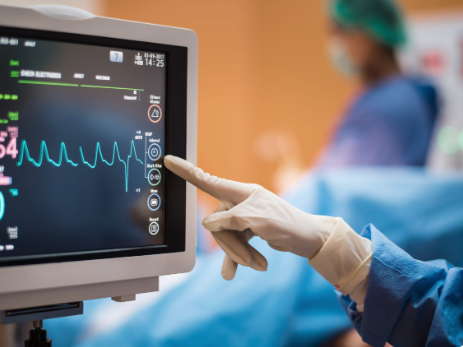
A telemetry tech plays an important role in healthcare by monitoring patients’ heart rhythms and other vital information.technicians usually work in hospitals and support nurses and other medical professionals by watching cardiac monitors and identifying changes that may require attention.
As hospitals increasingly use electronic monitoring systems, telemetry technology has become an important part of patient care. This career can be attractive to people who are interested in healthcare, technology, and working in a hospital environment.
What Is a Telemetry Tech?
A telemetry tech, also called a technician or monitor technician, is a healthcare professional who monitors patients using electronic equipment.
Telemetry systems allow healthcare teams to observe a patient’s heart rhythm and other information from a central monitoring station. The technician watches the monitor for abnormal patterns and communicates significant findings to the appropriate clinical staff.
Telemetry technicians generally do not diagnose medical conditions. Their role is to monitor, recognize relevant changes according to their training, document information, and notify nurses or other qualified healthcare professionals.
also read: tech pack
What Does a Telemetry Tech Do?
The exact responsibilities vary between hospitals, but common duties can include:
- Monitoring patients’ heart rhythms
- Watching cardiac monitors for changes
- Recognizing certain abnormal rhythm patterns
- Reporting significant changes to nurses
- Maintaining accurate monitoring records
- Checking monitoring equipment
- Responding to monitor alarms
- Communicating with healthcare staff
- Helping ensure monitoring equipment is functioning correctly
Telemetry technicians must remain focused because they may monitor multiple patients simultaneously.
How Does Telemetry Technology Work?
Telemetry uses electronic monitoring equipment to collect information from a patient and transmit it to a monitoring station.
For cardiac monitoring, electrodes are placed on the patient’s body. These electrodes detect electrical activity associated with the heart. The information is transmitted to a monitor where healthcare staff can observe the patient’s cardiac rhythm.
A telemetry tech watches these displays and looks for changes that may require clinical attention.
Modern systems can provide alerts when certain parameters move outside established limits, but trained staff still play an important role in monitoring and communicating relevant information.
Education and Training
Requirements for telemetry tech positions vary between employers.
Some hospitals may require a high school diploma or equivalent along with healthcare training. Others may prefer candidates with previous clinical experience or certifications.
Training programs can cover topics such as:
- Basic anatomy and physiology
- Cardiac anatomy
- Electrocardiogram fundamentals
- Cardiac rhythm interpretation
- Medical terminology
- Patient monitoring
- Hospital procedures
- Communication and documentation
Some employers may also prefer or require Basic Life Support certification.
People interested in becoming telemetry technicians should check job descriptions at local hospitals because requirements can differ.
Telemetry Tech Certification
Certification requirements depend on the employer and location.
Some organizations offer credentials related to cardiac monitoring and rhythm interpretation. Certification can demonstrate knowledge and may make a candidate more competitive when applying for telemetry positions.
However, certification is not necessarily required for every telemetry technician job.
Candidates should determine which credentials are recognized by the hospitals where they plan to work.
Telemetry Tech Work Environment
Most telemetry technicians work in hospitals, particularly in departments where patients require continuous cardiac monitoring.
The work can involve sitting at a monitoring station for extended periods while watching several patient screens.
Hospitals operate around the clock, so telemetry technicians may work daytime, evening, overnight, weekend, and holiday shifts.
The environment can be fast-paced, particularly when multiple patients experience changes at the same time.
Telemetry Tech vs. EKG Tech
Telemetry technicians and EKG technicians both work with cardiac information, but their responsibilities can be different.
An EKG technician commonly performs electrocardiograms by placing electrodes on a patient and recording the heart’s electrical activity.
A telemetry technician generally focuses on continuously monitoring cardiac rhythms from a central station.
Some healthcare organizations may combine responsibilities, while others maintain separate positions.
Career Opportunities
Telemetry technology can provide experience in the healthcare environment and may be useful for people interested in cardiac care or other clinical careers.
With additional education and training, a person with telemetry experience may explore careers such as nursing, cardiovascular technology, medical assisting, or other healthcare professions.
Career progression depends on education, certifications, experience, and employer requirements.
Benefits of Becoming a Telemetry Tech
First, it combines healthcare with technology. People who enjoy working with electronic monitoring systems may find the role interesting.
Second, telemetry technicians work as part of a larger medical team and gain exposure to hospital operations.
Third, the position can provide valuable experience for people considering further healthcare education.
The role also has significant responsibility because accurate monitoring and communication can contribute to patient safety.
Challenges of Telemetry Tech Work
The job can also be demanding.
Technicians may need to remain focused for long periods while monitoring several patients. They must respond appropriately to alarms and communicate changes quickly.
Night shifts and rotating telemetry tech schedules can also be challenging.
Because the work involves patient monitoring, accuracy and professionalism are extremely important.
Conclusion
A telemetry tech is a healthcare professional who monitors patients using electronic systems, particularly cardiac monitoring equipment. The role involves watching heart rhythms, identifying significant changes according to training, documenting information, and communicating findings to clinical staff.
People interested in this career should develop knowledge of cardiac rhythms, medical terminology, monitoring equipment, communication, and basic healthcare procedures.
For individuals who enjoy both healthcare and technology, becoming a telemetry technician can be a useful way to enter the hospital environment and potentially build a foundation for future healthcare careers.
FAQs
1. What is a telemetry tech?
A telemetry tech is a healthcare worker who monitors patients’ cardiac rhythms and other information using electronic monitoring systems.
2. What does a telemetry tech do?
A telemetry tech monitors cardiac rhythms, watches for significant changes, checks equipment, documents information, and reports relevant findings to nurses or other healthcare professionals.
3. Does a telemetry tech diagnose patients?
Generally, no. Telemetry technicians monitor and recognize patterns according to their training but do not independently diagnose medical conditions.
4. Do telemetry techs need certification?
Certification requirements vary by employer. Some hospitals may require or prefer relevant cardiac monitoring credentials or healthcare certifications.
5. What education is needed to become a telemetry tech?
Requirements vary. Some employers may accept a high school diploma and specialized training, while others may require healthcare education or previous clinical experience.
6. What skills does a telemetry tech need?
Important skills include cardiac rhythm knowledge, attention to detail, communication, computer skills, concentration, and the ability to work in a busy healthcare environment.
7. Is a telemetry tech the same as an EKG tech?
No. EKG technicians typically perform electrocardiograms, while telemetry technicians generally monitor cardiac rhythms continuously through a central monitoring system.
8. Where do telemetry techs work?
Most telemetry technicians work in hospitals and other healthcare facilities where patients require continuous cardiac monitoring.
9. Do telemetry techs work night shifts?
They can. Hospitals operate 24 hours a day, so telemetry technician positions may include night, weekend, holiday, or rotating shifts.
10. Can a telemetry tech become a nurse?
Yes. A telemetry technician can pursue additional nursing education and meet the applicable licensing requirements to become a nurse.