
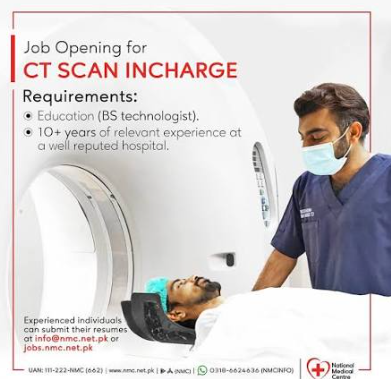
CT tech jobs are healthcare careers focused on operating computed tomography equipment to create detailed images of the inside of the body. CT technologists, also called CT technologists or CT technicians, work with physicians and other healthcare professionals to produce diagnostic images that can help identify injuries, diseases, and other medical conditions.
CT imaging is widely used in hospitals, emergency departments, outpatient imaging centers, and specialized healthcare facilities. For people interested in healthcare and medical technology, becoming a CT tech can provide a career that combines patient care, technology, and diagnostic imaging.
What Is a CT Tech?
A CT tech jobs is a radiologic imaging professional who operates CT scanners.
CT technologists prepare patients for examinations, operate imaging equipment, follow safety procedures, and make sure images are suitable for interpretation by qualified medical professionals.
The exact responsibilities and job requirements can vary depending on the employer, location, certification, and professional scope of practice.
also read: Chrysler Tech Center
What Does a CT Tech Do?
A typical CT tech job involves several responsibilities before, during, and after an examination.
Before a scan, the technologist reviews the examination request, confirms patient information, explains the procedure, and prepares the patient. They may ask relevant safety questions and follow facility procedures concerning medications or contrast materials.
During the examination, the CT tech positions the patient correctly and operates the scanner according to established protocols. They monitor the patient and make sure the imaging procedure is performed safely.
Afterward, the technologist checks the images for technical quality and completes required documentation. Images are then made available to the appropriate healthcare professionals for interpretation.
CT Tech Jobs and Patient Care
CT technologists may work with people who are experiencing pain, injuries, or anxiety about medical procedures.
Good communication skills can help patients understand what will happen during the examination. CT techs also need to maintain professionalism and respect patient privacy.
Because some CT tech jobs examinations involve patients who require urgent imaging, technologists may need to work efficiently while following established safety procedures.
Education Requirements for CT Tech Jobs
Education requirements vary depending on the location and employer. Many CT technologists begin their careers by completing an accredited radiologic technology program.
After becoming qualified in radiologic technology, professionals can pursue additional CT education and clinical experience.
In the United States, the American Registry of Radiologic Technologists (ARRT) offers postprimary certification pathways in computed tomography. Applicants must meet the applicable education, ethics, examination, and clinical experience requirements.
People interested in CT tech jobs should check the requirements in the state where they intend to work because licensing rules can differ.
Skills Needed for CT Tech Jobs
Successful CT technologists need a combination of technical, clinical, and communication skills.
Important skills include:
- Knowledge of CT equipment
- Understanding of anatomy
- Patient positioning
- Radiation safety
- Attention to detail
- Communication skills
- Computer skills
- Ability to follow imaging protocols
- Teamwork
CT tech jobs changes over time, so professionals also need to continue learning about new equipment, procedures, and imaging technologies.
Where Can CT Techs Work?
CT tech jobs are available in several healthcare environments. Hospitals are one of the most common workplaces, particularly facilities with emergency departments and advanced diagnostic imaging services.
Other possible workplaces include:
- Outpatient imaging centers
- Medical clinics
- Diagnostic centers
- Specialty hospitals
- Trauma centers
- Mobile imaging services
- Academic medical centers
Work schedules vary. Some hospitals operate imaging departments around the clock, which can create opportunities for evening, night, weekend, or holiday shifts.
CT Tech Job Outlook
Demand for medical imaging professionals is influenced by population needs, healthcare services, technological developments, and the number of available qualified workers.
The U.S. Bureau of Labor Statistics groups CT technologists with radiologic and MRI technologists. The broader occupation is projected to experience employment growth during the 2020s, although actual opportunities can vary by location and specialty.
Professionals with CT tech jobs additional credentials, clinical experience, and specialized skills may qualify for a wider range of imaging positions.
CT Tech Salary
CT tech salaries vary considerably based on geographic location, education, certification, experience, employer, and work schedule.
Hospitals and large medical centers may have different compensation structures from outpatient imaging facilities. Night, weekend, or other shift arrangements can also affect total compensation.
Instead of relying on a single national salary figure, people researching CT tech jobs should check current job postings and official labor-market data for their specific location.
How to Find CT Tech Jobs
People searching for CT tech jobs can use hospital career pages, healthcare employment websites, professional organizations, and general job-search platforms.
Useful search terms include CT technologist, computed tomography technologist, CT technician, radiologic technologist CT, and CT imaging technologist.
Employers may specify requirements for education, certification, state licensing, clinical experience, CPR certification, or additional credentials.
How to Build a CT Tech Career
A CT tech career can develop through additional training and experience. Professionals may expand their skills by learning about advanced CT procedures, specialized imaging protocols, patient-care practices, and newer imaging technologies.
Maintaining required certifications and completing continuing education can also be important for professional development.
For students considering this CT tech job field, gaining a strong foundation in anatomy, patient care, radiation protection, medical terminology, and imaging technology can provide useful preparation.
Conclusion
CT tech jobs offer opportunities for people interested in combining healthcare with advanced medical technology. CT technologists operate sophisticated imaging equipment, assist patients, follow radiation-safety procedures, and produce diagnostic images for medical interpretation.
The path to becoming a CT tech generally involves education in radiologic technology followed by specialized CT training, clinical experience, certification, and any licensing required in the individual’s location. Because requirements and salaries vary, prospective CT technologists should research their local regulations and current job market before choosing an educational program.
FAQs
1. What are CT tech jobs?
CT tech jobs are healthcare positions involving computed tomography imaging. CT technologists operate scanners and produce diagnostic images while following patient-care and safety procedures.
2. What does a CT tech do?
A CT tech prepares patients, operates CT equipment, positions patients, follows imaging protocols, monitors procedures, checks image quality, and completes required documentation.
3. What education is needed for CT tech jobs?
Many CT technologists begin with an accredited radiologic technology education program and then complete additional CT training and clinical experience.
4. Do CT techs need certification?
Certification requirements depend on the location. In the United States, ARRT provides a recognized postprimary certification pathway in computed tomography for eligible professionals.
5. Where do CT techs work?
CT technologists can work in hospitals, outpatient imaging centers, diagnostic facilities, trauma centers, specialty hospitals, and other healthcare settings.
6. Are CT tech jobs stressful?
The work environment can be busy, particularly in hospitals and emergency departments. CT techs need to manage technical responsibilities while communicating effectively with patients and other healthcare professionals.
7. Can CT techs work night shifts?
Yes. Hospitals and some imaging facilities operate CT services 24 hours a day, so night, weekend, and holiday shifts may be available.
8. What skills are important for a CT tech?
Important skills include knowledge of anatomy and imaging equipment, attention to detail, patient communication, radiation safety, computer skills, teamwork, and organization.
9. Is CT technology a good healthcare career?
CT technology can be an option for people interested in diagnostic imaging, patient care, and medical technology. Prospective students should compare education requirements, licensing rules, job availability, and working conditions in their area.
10. How can I find CT tech jobs near me?
Search hospital career websites and healthcare job platforms using terms such as “CT technologist,” “CT technician,” and “computed tomography technologist.” Check each listing for its specific certification, licensing, education, and experience requirements.