
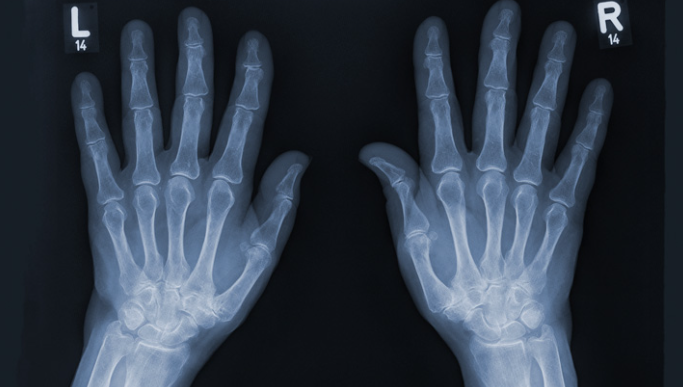
X-ray tech jobs are healthcare careers focused on producing diagnostic images that help physicians identify and evaluate medical conditions. X-ray technicians, commonly called radiologic technologists or radiographers, operate specialized imaging equipment and work with patients in hospitals, clinics, diagnostic centers, and other healthcare facilities.
For people interested in healthcare and medical technology, becoming an X-ray technologist can provide a career that combines patient interaction, technical equipment, and diagnostic imaging. Requirements vary by location, employer, and professional scope, so applicants should check the regulations that apply where they plan to work.
What Does an X-Ray Tech Do?
An X-ray tech jobs performs radiographic examinations using X-ray equipment. The technologist prepares patients, explains the procedure, positions the patient correctly, operates the imaging equipment, and produces images that can be reviewed by qualified medical professionals.
Patient safety is an important part of the job. X-ray technologists follow established radiation-safety procedures and use appropriate protective measures to reduce unnecessary exposure.
An X-ray tech may also review images for technical quality and determine whether additional images are needed according to the examination protocol.
also read: WKU vs LA Tech
Common X-Ray Tech Job Settings
X-ray tech jobs are available in several healthcare environments. Hospitals are among the largest employers because they provide emergency, inpatient, and outpatient imaging services.
Outpatient diagnostic imaging centers also employ radiologic technologists. These facilities may perform scheduled examinations for patients referred by physicians.
Other possible workplaces include urgent-care centers, orthopedic clinics, physician offices, specialty medical centers, and mobile imaging services.
The exact duties and working environment depend on the facility and the type of patients served.
Education and Training Requirements
People interested in X-ray tech jobs generally need specialized education in radiologic technology. Programs can be offered through community colleges, technical schools, universities, or other accredited educational institutions.
Training commonly includes classroom instruction and clinical experience. Students may study subjects such as anatomy, physiology, patient care, radiographic procedures, radiation protection, medical terminology, and imaging principles.
Clinical training gives students an opportunity to develop practical skills while working under appropriate supervision.
Because licensing and certification requirements differ by country and jurisdiction, prospective students should research the requirements of the area where they intend to work before selecting a program.
Certification and Licensing
Certification can be an important requirement for radiologic technologists. In the United States, for example, many employers seek candidates who meet applicable certification and state licensing requirements.
The American Registry of Radiologic Technologists (ARRT) is one major professional certification organization in the United States. Its requirements can include education, ethics standards, examination, and continuing qualifications.
State requirements can X-ray tech jobs differ, so candidates should verify current rules with the relevant state licensing authority and certification organization.
Outside the United States, professional requirements can be different. Applicants should check the regulatory body in their country or region.
Skills Needed for X-Ray Tech Jobs
Successful X-ray technologists need a combination of technical and interpersonal skills. Technical knowledge is necessary for operating imaging equipment and following examination protocols.
Communication is also important because technologists regularly explain procedures to patients. Some patients may be anxious, uncomfortable, injured, or unable to move easily.
Attention to detail helps technologists X-ray tech jobs position patients correctly and produce diagnostically useful images.
Other valuable skills include organization, teamwork, patience, problem-solving, and the ability to follow safety procedures consistently.
Types of X-Ray Tech Positions
There are several career paths within radiologic imaging. Some technologists focus primarily on general radiography, while others pursue additional education and credentials in specialized imaging areas.
Depending on qualifications and local regulations, career options can include positions involving computed tomography (CT), mammography, magnetic resonance imaging (MRI), or other imaging specialties.
Specialization may require additional education, X-ray tech jobs clinical training, certification, or employer-specific qualifications.
X-Ray Tech Job Duties
Daily responsibilities vary by workplace, but common duties include preparing examination rooms, verifying patient information, explaining procedures, positioning patients, operating imaging equipment, and maintaining accurate records.
Technologists also follow infection-control practices and radiation-safety procedures.
They may communicate with physicians, nurses, other technologists, X-ray tech jobs and healthcare staff to coordinate patient care and imaging services.
Because healthcare facilities can be busy, technologists need to manage multiple examinations while maintaining attention to patient safety and image quality.
X-Ray Tech Work Schedule
Work schedules depend on the employer. Hospital-based positions may involve evenings, weekends, holidays, or on-call shifts because hospitals provide services around the clock.
Outpatient imaging centers may have more predictable daytime schedules, although this varies between facilities.
Emergency departments can be particularly fast-paced because imaging may be X-ray tech jobs needed for patients with injuries or urgent medical conditions.
Applicants should review the schedule listed in each job posting before applying.
X-Ray Tech Salary and Job Outlook
Pay for X-ray tech jobs varies according to location, education, certification, experience, employer, specialization, and working hours. Additional certifications or specialized imaging skills may affect compensation in some workplaces.
Job seekers should avoid relying on a single salary figure because wages can differ significantly between regions.
Employment opportunities can be found by searching hospital career pages, diagnostic imaging centers, healthcare job boards, and professional organizations.
How to Find X-Ray Tech Jobs
A focused job search can help candidates identify suitable openings. Start by checking hospitals, outpatient imaging centers, medical practices, and healthcare organizations in the desired area.
Use keywords such as radiologic technologist, radiographer, X-ray technologist, and X-ray technician because employers may use different titles for similar positions.
Before applying, review the education, X-ray tech jobs certification, licensing, experience, and schedule requirements. A resume should clearly list relevant clinical training, credentials, education, and technical skills.
Conclusion
X-ray tech jobs offer opportunities for people interested in healthcare, medical technology, and patient care. X-ray technologists combine technical imaging skills with communication and safety practices to help healthcare teams obtain useful diagnostic images.
Education, certification, licensing, and other requirements vary by location and employer. Anyone considering this career should research local regulations and choose an appropriate accredited training pathway.
With the right education and qualifications, candidates can explore opportunities in hospitals, outpatient imaging centers, clinics, and other healthcare environments.
FAQs
- What is an X-ray tech?
An X-ray tech, commonly called a radiologic technologist or radiographer, performs diagnostic X-ray examinations and operates radiographic imaging equipment.
- What does an X-ray tech do?
An X-ray tech prepares patients, explains procedures, positions patients, operates imaging equipment, follows safety procedures, and produces images for review by qualified healthcare professionals.
- What education is needed for X-ray tech jobs?
Requirements vary by location, but prospective technologists generally complete an approved radiologic technology education program that includes classroom and clinical training.
- Do X-ray techs need certification?
Certification and licensing requirements depend on the country or jurisdiction. In the United States, many employers require or prefer professional certification and applicable state licensing.
- Where can X-ray techs work?
X-ray technologists can work in hospitals, outpatient imaging centers, clinics, urgent-care facilities, physician offices, and other healthcare settings.
- Are X-ray tech jobs available in hospitals?
Yes. Hospitals commonly employ radiologic technologists for inpatient, outpatient, emergency, and other imaging services.
- Can an X-ray tech specialize?
Yes. Qualified radiologic technologists may pursue additional training or certification in areas such as CT, mammography, or other imaging specialties, depending on local requirements.
- How much does an X-ray tech make?
Salary varies based on location, experience, credentials, employer, specialization, and work schedule. Candidates should check current local salary information when evaluating a position.
- What skills are important for X-ray techs?
Important skills include technical ability, communication, attention to detail, patient care, organization, teamwork, and knowledge of radiation-safety procedures.
- Where can I find X-ray tech jobs?
Job seekers can search hospital career websites, diagnostic imaging centers, healthcare employment platforms, and professional organizations for current radiologic technologist vacancies.