
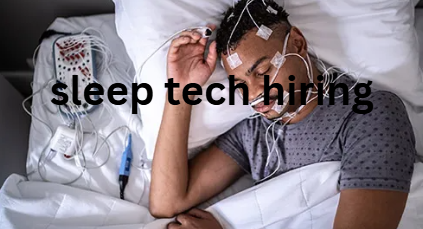
Sleep tech hiring refers to the recruitment of professionals who work in sleep medicine and help healthcare teams evaluate and monitor sleep-related conditions. A sleep technician, sometimes called a sleep technologist, works with patients undergoing sleep studies and operates specialized equipment used to collect information about sleep patterns and related physiological activity.
As awareness of sleep health continues to grow, hospitals, sleep centers, diagnostic laboratories, and healthcare organizations may recruit qualified professionals for sleep technology positions.
What Is a Sleep Technologist?
A sleep technologist is a healthcare professional trained to assist with sleep studies and diagnostic procedures. Their responsibilities can include preparing patients, setting up monitoring equipment, observing patients during sleep studies, recording data, and documenting relevant observations.
Sleep tech hiring generally work under established clinical protocols and may collaborate with physicians and other healthcare professionals who interpret the results.
The exact duties and requirements can vary according to the employer, position, and local regulations.
What Does Sleep Tech Hiring Involve?
Sleep tech hiring typically involves finding candidates who have the appropriate education, technical knowledge, patient-care skills, and professional credentials for a particular position.
Employers may recruit sleep technicians for roles such as:
- Sleep technologist
- Polysomnographic technologist
- Sleep study technician
- Sleep laboratory technician
- Registered sleep technologist
- Entry-level sleep technician
Some positions may be full-time, while others can be part-time, overnight, weekend, or shift-based because sleep studies commonly take place during nighttime hours.
Common Responsibilities of a Sleep Tech
The responsibilities of a sleep technician depend on the workplace and level of training. Common duties can include preparing a patient for a sleep study, explaining the procedure, attaching monitoring sensors, operating diagnostic equipment, and monitoring the patient during the study.
Sleep tech hiring After a study, the technician may review collected information for technical quality, document observations, and prepare data for interpretation by an appropriately qualified healthcare professional.
Sleep technicians may also need to maintain equipment, follow infection-control procedures, protect patient privacy, and follow workplace safety policies.
Education Requirements for Sleep Tech Jobs
Education requirements can vary between employers and locations. Some employers may prefer candidates who have completed a recognized sleep technology or polysomnography program.
Programs can include coursework related to anatomy, physiology, sleep science, medical terminology, patient care, and diagnostic technology. Practical training can also be an important part of preparation for the field.
People interested in sleep tech hiring should carefully review the educational requirements listed in individual job postings.
Certifications for Sleep Technologists
Professional certification may be important for sleep technology positions. In the United States, employers may look for credentials associated with recognized professional organizations or certification boards.
One commonly recognized credential is the Registered Polysomnographic Technologist (RPSGT) certification.
Sleep tech hiring Certification requirements can include education, clinical experience, examinations, or other eligibility criteria depending on the credential.
Candidates should verify current requirements directly with the relevant certification organization.
Skills Employers Look For
Successful sleep technologists need a combination of technical and interpersonal skills.
Important skills can include:
- Attention to detail
- Patient communication
- Basic clinical knowledge
- Equipment operation
- Data recording
- Problem-solving
- Computer skills
- Ability to follow clinical procedures
- Calm and professional behavior
- Ability to work independently
Because many sleep studies occur overnight, employers may also look for candidates who are Sleep tech hiring comfortable working nighttime or rotating shifts.
Where Are Sleep Technologists Hired?
Sleep tech hiring can occur in several healthcare settings. Sleep centers and hospitals are among the most common workplaces.
Other potential employers can include:
- Sleep laboratories
- Medical centers
- Specialty clinics
- Diagnostic facilities
- Academic medical institutions
- Healthcare networks
Job availability varies by location, employer, and demand for sleep-related diagnostic services.
How to Find Sleep Tech Hiring Opportunities
People searching for sleep technology jobs can use several approaches. Online healthcare job boards, hospital career pages, professional organizations, and general employment websites may list available positions.
Sleep tech hiring When searching, try keywords such as “sleep tech jobs,” “sleep technologist hiring,” “polysomnography jobs,” and “sleep technician positions.”
Candidates should carefully read each job description because qualifications, experience requirements, shift schedules, and certifications can differ considerably.
Tips for Applying for Sleep Tech Jobs
A clear résumé can help employers understand a candidate’s education, clinical experience, certifications, technical skills, and relevant training.
Sleep tech hiring Candidates should highlight experience related to patient care, diagnostic equipment, sleep studies, healthcare documentation, or other relevant areas.
During an interview, employers may ask about patient communication, equipment troubleshooting, data collection, and handling unexpected situations during a sleep study.
Being familiar with the specific requirements listed in the job advertisement can help applicants prepare relevant examples.
Career Growth in Sleep Technology
Sleep technology can provide opportunities for professional development. With additional education, experience, and appropriate credentials, professionals may qualify for more advanced responsibilities.
Some sleep technologists continue developing expertise in areas such as sleep-disorder testing, Sleep tech hiring pediatric sleep studies, equipment management, or laboratory operations.
Career progression depends on education, experience, credentials, employer requirements, and applicable regulations.
Conclusion
Sleep tech hiring provides employment opportunities for trained professionals interested in healthcare, sleep medicine, and diagnostic technology. Sleep technicians can work in hospitals, sleep centers, laboratories, and specialty healthcare facilities.
Candidates should understand the education, certification, technical, and patient-care requirements associated with each position. Building relevant skills, maintaining professional credentials, and searching current job postings can help individuals identify opportunities that match their qualifications and career goals.
FAQs
- What is sleep tech hiring?
Sleep tech hiring refers to recruiting sleep technicians and sleep technologists to work in healthcare settings such as sleep centers, hospitals, and sleep laboratories.
- What does a sleep technician do?
A sleep technician may prepare patients, set up monitoring equipment, conduct sleep studies according to established protocols, monitor patients, and document information for clinical review.
- What is another name for a sleep technician?
A sleep technician may also be called a sleep technologist or polysomnographic technologist, depending on the position and level of training.
- Do sleep techs work overnight?
Many sleep studies take place overnight, so sleep technologists may work nighttime shifts. Specific schedules depend on the employer.
- Is certification required for sleep tech jobs?
Requirements vary. Some employers may require or prefer professional certification, while others may have different education or experience requirements.
- What certification is associated with sleep technology?
The Registered Polysomnographic Technologist (RPSGT) is one recognized professional credential in sleep technology.
- What skills does a sleep technologist need?
Important skills can include patient communication, attention to detail, technical equipment operation, documentation, computer skills, and the ability to follow clinical procedures.
- Where can sleep technicians work?
Sleep technicians may work in hospitals, sleep centers, diagnostic laboratories, specialty clinics, and other healthcare facilities offering sleep-related services.
- How can I find sleep tech hiring opportunities?
Search hospital career websites, healthcare job boards, professional organizations, and employment websites using terms such as “sleep technologist” and “sleep technician.”
- Is sleep technology a healthcare career?
Yes. Sleep technology is a healthcare field involving patient interaction, diagnostic procedures, specialized equipment, and collaboration with healthcare professionals.